
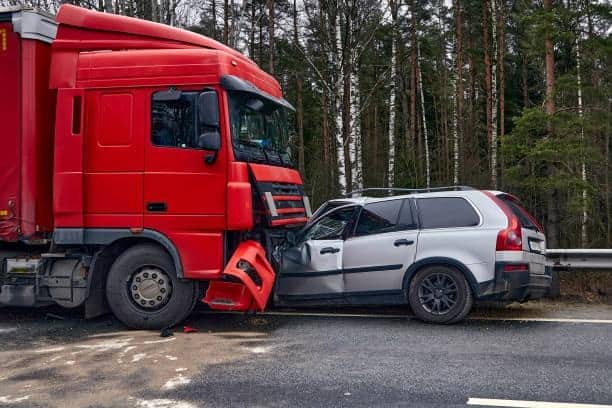
Oklahoma is known for its wide open highways, rural landscapes, and bustling interstates that connect cities like Tulsa and Oklahoma City. Much of the state’s economy depends on commercial trucking to transport goods across the region and beyond. However, this heavy truck traffic also brings risks, especially when smaller vehicles collide with large tractor-trailers. Understanding the dangers and causes of underride accidents is crucial for drivers across the Sooner State so they can take steps to avoid these often catastrophic collisions.
An underride accident happens when a passenger vehicle slides underneath the rear or side of a large truck or its trailer during a crash. These incidents are among the most dangerous types of truck accidents, frequently leading to severe injury or death due to the intrusion into the passenger compartment. In many cases, these collisions are preventable if both truck drivers and other motorists take proper safety precautions and understand the common factors that contribute to underride crashes. An Oklahoma truck accident attorney can explain these causes and how legal claims arise when negligence is involved.
Faulty, Damaged, or Missing Underride Guards
Underride guards — metal barriers attached to the rear and sometimes the sides of a truck or trailer — are designed to stop smaller vehicles from sliding underneath during a collision. While federal regulations require rear guards on most trucks, these guards can be damaged, outdated, or missing, especially on older trailers. When guards are not properly maintained or installed, they may fail during impact, allowing a vehicle to penetrate beneath the truck where there is minimal protection.
How to Avoid It: Regular vehicle inspections and ensuring trailers are equipped with strong, properly positioned underride guards can reduce the risk. For motorists, avoiding tailgating and maintaining a safe following distance gives more time to react if the truck ahead slows or stops unexpectedly.
Sudden Braking and Unsafe Driving Behavior
One of the most common causes of underride accidents is sudden or unexpected braking by either the truck driver or the motorist behind. If a truck slows or stops abruptly without adequate warning, a car following too closely may not have enough time to brake, resulting in a rear underride collision. Distracted driving, fatigue, and inattention can exacerbate this risk, leaving drivers unable to respond quickly to changes in traffic.
How to Avoid It: Maintain a safe following distance, avoid distractions while driving, and always anticipate potential changes in traffic flow — especially in heavy traffic or construction zones where trucks may slow suddenly.
Insufficient Warning Measures When Stopped
Trucks pulled off the roadway — on shoulders or at rest stops — can pose serious hazards if they aren’t properly marked with cones, reflectors, or warning lights. Drivers approaching these stopped vehicles may not recognize the danger in time, especially in poor visibility or at night, and could slide underneath the trailer.
How to Avoid It: Truck drivers should use proper hazard lights, reflective triangles, and other warning devices when stopped. Other drivers should slow down and pay close attention whenever they see a large vehicle pulled off the road.
Poor Visibility and Lighting Issues
Underride collisions are more likely when visibility is limited. Conditions such as night driving, fog, rain, or snow make it harder for motorists to see the back or sides of large trucks. Additionally, a truck with broken lights or missing reflective tape on its trailer offers even less visual warning, increasing the risk of a crash.
How to Avoid It: Proper use of headlights, reflective materials, and ensuring that truck lighting systems are functional can drastically improve visibility. Drivers should adjust speed and increase awareness in poor weather or low-light conditions.
Driver Distraction and Human Error
Human error remains a major contributor to underride accidents. Drivers — both commercial and passenger vehicle operators — may be distracted by phones, GPS, or other in-cab activities, reducing their ability to notice slowing traffic or changes in road conditions. Fatigue and impaired judgment due to lack of sleep or intoxication further increase the likelihood of dangerous collisions.
How to Avoid It: Avoid distractions behind the wheel, stay well-rested before long drives, and never operate a vehicle under the influence of alcohol or drugs. Remaining focused on the road and anticipating truck movements can help drivers react in time to prevent accidents.
Conclusion
Underride accidents are some of the most severe and devastating collisions on the road, but understanding their most common causes — faulty underride guards, sudden braking, poor visibility, inadequate warnings, and driver distraction — can help motorists avoid them. By maintaining safe distances, staying alert, and advocating for improved truck safety practices, drivers can reduce their risk of being involved in these dangerous crashes. If an underride accident does occur due to another party’s negligence, speaking with an experienced attorney can help protect your rights and pursue compensation.
Key Takeaways
- Faulty or missing underride guards significantly increase the severity of underride accidents.
- Sudden braking and driver distraction are frequent causes of rear and side underride collisions.
- Poor visibility and lighting issues make it harder for drivers to see trucks and react in time.
- Proper warning measures and careful driving habits can help prevent many underride accidents.
- Understanding these causes supports safer driving and informed legal action when needed.
