
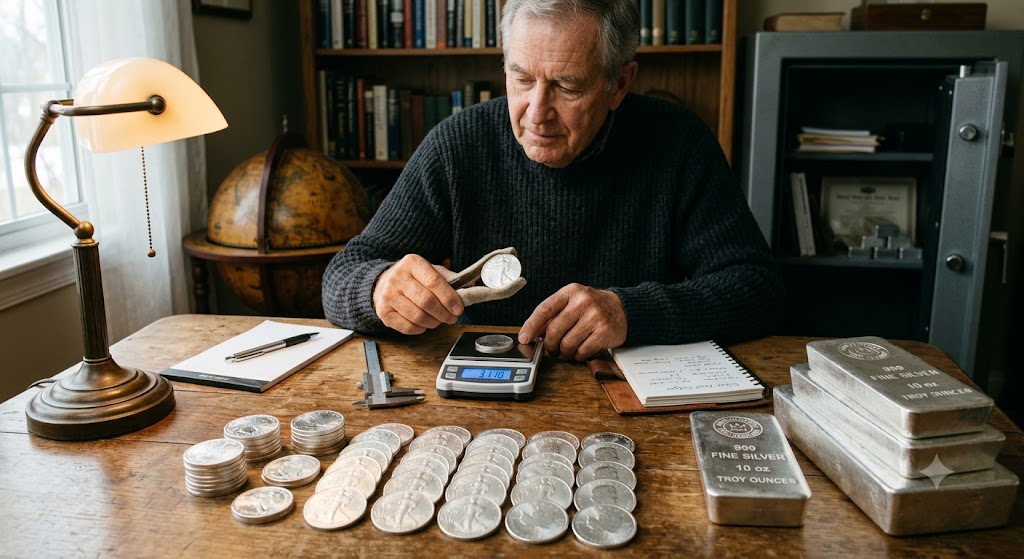
Introduction
Physical silver has attracted investors for generations — and for good reason. As a tangible asset, it offers a potential hedge against inflation, currency risk, and the kind of broader economic uncertainty that makes paper-based holdings feel precarious. Unlike stocks or bonds, physical silver carries intrinsic value rooted directly in its metal content, not in any institution’s promise or balance sheet. Many investors incorporate widely recognized bullion products, such as american silver eagle coins, alongside privately minted bars and rounds, as part of a deliberate long-term approach to holding physical silver within a diversified portfolio.
Understanding Physical Silver as an Investment
What Makes Silver a Store of Value?
Physical silver investing means owning silver in a tangible form — coins, bars, or rounds — rather than gaining exposure through paper instruments like ETFs or futures contracts. The critical distinction is straightforward: physical silver’s value is grounded in its metal content and purity, not in a nominal face value or a counterparty’s obligation.
Two technical concepts are central to understanding how silver is valued:
- .999 fine silver refers to silver that is 99.9% pure — the standard purity for most modern bullion products.
- The troy ounce (approximately 31.1 grams) is the universal unit of weight for pricing and trading precious metals.
Together, purity and weight determine a bullion product’s intrinsic metal value, which forms the foundation of any fair market assessment.
Silver Coins vs. Silver Bars and Rounds
Investors generally encounter three main product categories:
| Product Type | Purity | Legal Tender | Typical Use |
|---|---|---|---|
| Government-minted coins | .999+ | Yes | Investing & collecting |
| Private mint bars | .999 | No | Metal accumulation |
| Private mint rounds | .999 | No | Stacking, lower premiums |
Government-issued bullion coins carry standardized specifications, broad market recognition, and official legal tender status — characteristics that support liquidity and ease of resale. Private bars and rounds often trade at lower premiums over spot but may be less universally recognized in secondary markets, which is worth keeping in mind if resale flexibility matters to you.
Key Characteristics of Widely Recognized Silver Bullion Coins
Standard Specifications Investors Care About
Most major bullion coins share a consistent set of features: 1 troy ounce of .999 fine silver, standardized diameter and thickness, and a nominal face value that bears little resemblance to actual market value. Physical silver’s value is driven by metal content, not face value. These uniform specifications make verification straightforward and give buyers confidence when it comes time to resell.
Bullion vs. Collector Versions
Official silver bullion coins typically come in two distinct formats: bullion versions, produced in high mintages and intended primarily for investment, and collector-focused versions such as proof or burnished finishes, which may carry numismatic premiums well beyond the metal’s intrinsic worth. An investor focused on accumulating metal over time will generally gravitate toward bullion versions for their lower premiums and clean, straightforward valuation. Hobbyists and collectors, on the other hand, may seek out proof editions for their design quality and long-term collectibility.
Evaluating Physical Silver: Spot Price, Premiums, and Total Cost
Before making any purchase, investors need a firm grasp of two core pricing concepts:
- Silver spot price: the real-time baseline market price per troy ounce, set by global commodity markets.
- Premiums: the additional cost above spot price that reflects fabrication, distribution, and market demand for a specific product.
Different formats carry different premiums. A highly recognized government-minted coin typically commands a higher premium than a generic private-mint bar of equivalent silver content. Over a long holding period, those upfront premium differences can meaningfully affect your overall cost basis — and ultimately, your returns.
Key Takeaway: Understanding both spot price and premiums — not just the headline price — is essential to evaluating the true cost of any physical silver purchase.
Practical Approaches to Building a Physical Silver Position
Aligning Products with Goals
Different investment objectives naturally lead to different product choices:
- Metal accumulators (“stackers”) typically prioritize low premiums and standardized products, steadily building their ounce count over time.
- Liquidity-focused investors favor widely recognized bullion coins that are easy to resell in most markets.
- Collectors emphasize design, rarity, and condition, often accepting higher premiums for the numismatic appeal.
Consider a conservative investor who, over several years, consistently acquires standard 1 oz bullion coins and bars while focusing on simplicity and uniform specifications. This approach keeps valuation transparent and resale uncomplicated — a practical, low-drama model for long-term wealth preservation.
Condition, Circulation, and Resale
Brilliant uncirculated bullion retains its original mint condition, while circulated pieces show the natural signs of handling over time. For investors focused purely on metal exposure, circulated bullion still contains the same silver content and tracks the spot price accordingly. Long-term holders often find themselves weighing the appeal of pristine coins against the practical advantage of lower premiums on pieces that are less aesthetically perfect — a trade-off worth thinking through early.
Risk Management, Verification, and Ethical Considerations
Authenticity and Verification
Counterfeit bullion is a real concern, which makes verification a non-negotiable part of any purchase. Practical checks include:
- Confirming weight and dimensions against official mint specifications.
- Inspecting design details, edge reeding, and surface quality.
- Purchasing only from reputable, established dealers with transparent product descriptions.
Key Takeaway — Verification Steps: Weigh it. Measure it. Inspect it. Buy from verifiable sources.
Storage, Insurance, and Record-Keeping
Physical silver requires secure storage — either a quality home safe or a professional third-party vault. Each option involves trade-offs between accessibility and security, and neither is universally right for every situation. For larger holdings, insurance coverage is worth factoring into the plan. Keeping clear purchase records — product type, quantity, approximate cost — supports personal tracking and simplifies any future tax or estate planning needs.
Regulatory and Ethical Awareness
Ownership and sale of precious metals may carry tax implications that vary significantly by jurisdiction. Investors should stay aware of applicable regulations, though a general article is no substitute for jurisdiction-specific guidance. Consulting a qualified tax or financial professional before implementing any strategy is always the prudent move.
Synthesizing the Role of Physical Silver in a Long-Term Strategy
Physical silver can serve as a meaningful component of a diversified, long-term wealth preservation plan. A solid understanding of spot price, premiums, purity standards, and product types equips investors to make informed, deliberate decisions rather than reactive ones.
Widely recognized bullion coins and standard bars offer accessible entry points for most investors, while collector-grade pieces serve a distinct purpose for those drawn to numismatics. Neither approach is inherently superior — what matters most is how well your choices align with clearly defined personal goals.
Key Takeaway: Clarify your objectives first. Build a working knowledge of bullion fundamentals. Verify everything you buy. And when in doubt, consult a qualified financial professional before committing to any strategy.
Physical silver is not a guaranteed solution to any financial challenge — it is one tool among many, best used with patience, genuine due diligence, and a long-term perspective.
