
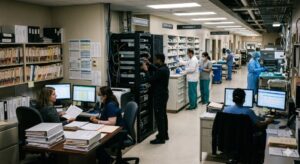
The healthcare industry presents itself as a seamless operation where patients receive care, doctors diagnose conditions, and nurses provide comfort. However, beneath this polished exterior lies a complex infrastructure of regulations, certifications, training programs, and legal frameworks that most people never see. Understanding these behind-the-scenes operations reveals just how intricate modern healthcare has become.
The Credentialing Maze
Before any healthcare professional can treat a single patient, they must navigate an extensive credentialing process that can take months or even years to complete. Physicians spend an average of four years in medical school, followed by three to seven years in residency programs, depending on their specialty. According to the Association of American Medical Colleges, the United States had approximately 1.1 million active physicians as of 2023, each having completed this rigorous educational pathway.
The credentialing doesn’t end with education. Healthcare facilities conduct thorough background checks, verify every claimed degree and certification, and review malpractice history before granting privileges. Hospitals typically maintain credentialing committees that meet regularly to review applications and ensure compliance with state and federal regulations. This process protects patients but creates significant administrative burden, with some estimates suggesting that physicians spend over 15 hours per week on paperwork and administrative tasks unrelated to direct patient care.
Regulatory Compliance and Quality Assurance
Healthcare facilities operate under constant scrutiny from multiple regulatory bodies. The Centers for Medicare and Medicaid Services oversees billing practices and quality standards for facilities accepting government insurance. The Joint Commission accredits hospitals and enforces safety protocols. State health departments conduct inspections, and specialized agencies monitor everything from pharmacy operations to radiology equipment calibration.
Compliance teams work around the clock to ensure facilities meet these standards. They track medication errors, review patient safety incidents, and implement corrective action plans. A single violation can result in hefty fines, loss of accreditation, or even facility closure. In 2022 alone, the Department of Health and Human Services Office of Inspector General reported over $5 billion in healthcare fraud judgments and settlements, demonstrating the high stakes of regulatory compliance.
The Technology Infrastructure
Modern healthcare relies on sophisticated electronic health record systems that must communicate seamlessly across different platforms while maintaining strict privacy standards. Hospitals invest millions in these systems, which require constant updates, security patches, and staff training. According to a 2023 report, the average hospital spends approximately 3-5% of its operating budget on information technology.
Behind every patient portal and digital prescription lies a team of IT specialists managing servers, troubleshooting system failures, and defending against cyberattacks. Healthcare organizations face roughly 1,400 cyberattacks weekly, making cybersecurity a critical behind-the-scenes operation. Data breaches in healthcare can expose sensitive patient information and disrupt critical care services, making these unseen technology teams essential to patient safety.
Professional License Management and Protection
Healthcare professionals must maintain active licenses in every state where they practice, requiring regular renewals, continuing education credits, and fee payments. License verification services constantly monitor credential status, and facilities must respond immediately when issues arise. When allegations of misconduct or malpractice surface, healthcare workers often require specialized legal support for medical license defense, which involves navigating complex administrative hearings and state medical board proceedings.
State medical boards processed over 10,000 disciplinary actions against physicians in recent years, according to data from the Federation of State Medical Boards. These cases range from allegations of substandard care to criminal conduct, and the proceedings occur largely out of public view. The legal teams, investigators, and administrative judges involved in these cases form an entire ecosystem dedicated to maintaining professional standards while protecting practitioners’ rights.
Supply Chain and Logistics
Few patients consider how their medications reach the pharmacy or how surgical instruments arrive sterilized and ready for use. Healthcare supply chains involve intricate networks of manufacturers, distributors, and logistics specialists working to prevent shortages and ensure quality. The American Hospital Association reported that 99% of hospitals experienced supply chain disruptions in 2022, requiring procurement teams to find alternative suppliers and manage inventory creatively.
Pharmacy departments maintain controlled substance logs, track medication expiration dates, and compound specialized formulations. Central sterile processing departments clean, sterilize, and prepare thousands of instruments daily. These operations continue 24/7, supporting every procedure and treatment delivered throughout the facility.
Financial Operations and Revenue Cycle Management
Healthcare billing represents one of the industry’s most complex behind-the-scenes operations. Revenue cycle teams must code diagnoses and procedures using thousands of specific codes, verify insurance coverage, submit claims, and follow up on denials. The average claim denial rate across healthcare organizations hovers around 10-15%, requiring dedicated staff to appeal rejected claims and recover revenue.
These invisible operations ensure healthcare facilities remain financially viable while navigating the complicated intersection of medical necessity, insurance regulations, and government reimbursement rules. Without these unseen professionals managing the financial health of healthcare organizations, the entire system would collapse regardless of clinical excellence.
The healthcare industry’s behind-the-scenes operations reveal a sophisticated ecosystem supporting every patient interaction, ensuring quality, safety, and compliance while managing the business realities of modern medicine.
