
Table of Contents
- Why Weather Changes Pest Activity
- The Four Conditions That Attract Pests
- Spring: Inspect Before Outdoor Activity Builds
- Summer: Manage Moisture and Outdoor Pressure
- Fall: Protect Entry Points Before Cooler Weather
- Winter: Check Quiet, Hidden Areas
- A Room-by-Room Prevention Checklist
- When Prevention May Not Be Enough
- Final Takeaway
Northern Virginia homes experience shifting weather patterns throughout the year, from humid summers and heavy rain to crisp fall evenings and cold winter stretches. Those changes can affect when pests look for water, food, shelter, or an opening indoors. For homeowners dealing with repeat activity, Northern Virginia pest control services from Green Pest Services offer local residential and commercial support for concerns including ants, rodents, termites, mosquitoes, ticks, bed bugs, and more. The company serves communities such as Alexandria, Arlington, Chantilly, Fairfax, and Manassas, with licensed and certified technicians focused on environmentally conscious pest management.
A clean home can still have a pest problem. A small plumbing leak, an unsealed utility opening, damp mulch near the foundation, or pet food left accessible can be enough to attract unwanted visitors. The most effective approach is a steady prevention routine that changes with the season.
Why Weather Changes Pest Activity
Temperature, rain, humidity, and seasonal shelter conditions can all change pest behavior. Rain may create standing water for mosquitoes, drive ants away from saturated soil, or reveal drainage problems around a home. Dry periods can also send pests toward reliable indoor moisture sources. Cooler weather may encourage rodents and overwintering insects to seek protected spaces in garages, attics, crawl spaces, and wall voids.
Rather than treating every sighting as an emergency, look for patterns. Repeated activity in one room, near one doorway, or after certain weather conditions often provides useful clues about where pests are entering and what they are finding.
The Four Conditions That Attract Pests
Most prevention work comes down to reducing four conditions that make a property inviting:
- Food: Crumbs, open pantry goods, pet food, grease residue, birdseed, and unsecured trash can attract pests.
- Water: Leaks, condensation, damp basements, clogged gutters, plant trays, and standing water create moisture sources.
- Shelter: Clutter, cardboard, leaf piles, dense shrubs, firewood, and gaps in structural areas offer cover.
- Access: Small openings around doors, screens, pipes, vents, rooflines, and foundations can become entry points.
The Integrated Pest Management principles emphasize monitoring, prevention, identification, and selecting the least risky effective control method before relying on broad pesticide use.
Spring: Inspect Before Outdoor Activity Builds
Spring is a practical time to inspect the exterior after winter. Check window screens, door sweeps, garage seals, foundation joints, and gaps around utility lines. Clear leaves from gutters and drains so rainwater can move away from the house instead of collecting near the foundation.
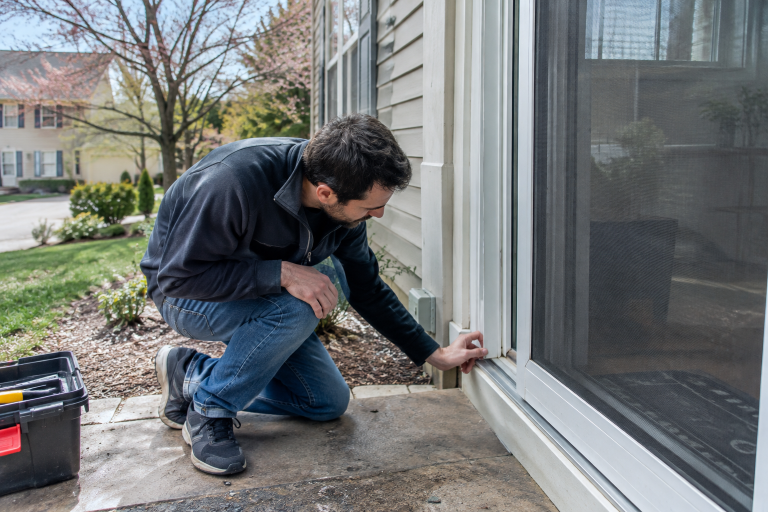
- Watch for ant trails near kitchens, bathrooms, patios, and exterior walls.
- Check wood and foundation areas for termite swarmers, discarded wings, mud tubes, or wood that appears damaged.
- Empty buckets, toys, planters, and other containers that collect rainwater.
- Trim plants that touch siding, windows, or roof edges.
Not every pest follows the same schedule in every neighborhood. Still, catching loose screens, damp spots, and vegetation contact early can reduce opportunities later in the season.
Summer: Manage Moisture and Outdoor Pressure
Warm, humid Northern Virginia summers can increase attention on outdoor living spaces. Check hose connections, outdoor faucets, irrigation lines, shaded corners, and low areas of the yard for excess moisture. Keep drinks, food, and pet bowls covered during cookouts, then clean spills promptly.
Standing water supports mosquito development, while dense shrubs, tall grass, and stored materials near the home can provide shelter for insects and rodents. For yards near wooded edges or brushy areas, the CDC tick prevention guidance recommends steps such as removing leaf litter, clearing tall grass and brush, mowing regularly, and stacking wood neatly in a dry area.
When using any repellent or pesticide product, follow the label exactly. Use products only in locations and amounts allowed by the instructions, and keep children and pets away as directed.
Fall: Protect Entry Points Before Cooler Weather
As outdoor temperatures fall, inspect the places where animals and insects can move into protected indoor areas. Pay close attention to attic vents, crawl-space doors, chimney openings, garage corners, roofline gaps, and pipe penetrations. Seal openings with materials suitable for the surface, but do not block vents that are needed for safe airflow.
- Move firewood, spare lumber, and stored boxes away from exterior walls.
- Clear leaf buildup from the foundation and repair areas that stay damp.
- Look for droppings, gnaw marks, damaged food packaging, nests, or scratching sounds.
- Replace worn door sweeps and repair torn screens.
Winter: Check Quiet, Hidden Areas
Winter inspections should focus on spaces that receive less daily attention, including basements, utility rooms, attics, garages, and storage areas. Store dry goods, birdseed, grass seed, and pet food in sealed containers. Limit cardboard in warm or damp storage spaces, where it can provide cover and absorb moisture.
Look for condensation around pipes and windows, repair leaks, and improve ventilation where moisture repeatedly appears. Monitoring traps can help reveal activity in appropriate locations, but they should be placed safely and checked often.
A Room-by-Room Prevention Checklist
Kitchen and Bathroom
- Wipe counters, clean crumbs from drawers, and check beneath appliances when practical.
- Seal pantry foods and empty trash regularly.
- Repair leaks beneath sinks and around plumbing connections.
- Use bathroom ventilation after showers and seal gaps around pipes or baseboards.
Garage, Attic, and Yard
- Reduce clutter and inspect corners for webs, droppings, nests, and gnaw marks.
- Keep garage door seals in good condition.
- Trim grass, remove standing water, and clear excess leaf litter.
- Keep branches and shrubs from resting against the home.
When Prevention May Not Be Enough
Seek professional help when pests keep returning after cleaning and sealing efforts, when there are signs of nesting or hidden activity, or when termites, rodents, stinging insects, ticks, or mosquitoes create a structural, safety, or health concern. A qualified professional can identify the pest, locate contributing conditions, and recommend an appropriate plan for the property.
Final Takeaway
Year-round pest prevention does not require a perfect home. It depends on consistent habits: reduce food and water sources, manage landscaping, seal access points, inspect quiet areas, and respond early when activity repeats. A seasonal routine gives Northern Virginia homeowners a clearer view of changing pest risks before a small issue becomes harder to manage.
